Published October 19, 2026
How to get signed to a modeling agency without paying a cent

Learning how to get signed to a modeling agency is mostly about removing doubt. Agencies sign people they can book, who present themselves accurately and who are easy to work with. None of that costs money. This guide covers what agencies look at, how open calls and online submissions work, the red flags that separate real agencies from schemes, and what to check before you sign a representation agreement.
Real agencies earn from bookings, not from you
A legitimate modeling agency makes money when you work. It finds clients, negotiates the booking, invoices the client and takes an agreed commission. That is why a real agency is selective: every model it signs costs time to develop, and it only gets paid if clients book that model. An agency that earns its money from the people it signs, through fees, classes or photo packages, has no reason to find you work.
What that means for you
You should never pay to be considered, to be signed or to stay on an agency's board. If the first conversation turns to your credit card, the conversation is over. Our modeling agency scams guide goes through the most common versions of this pitch.
What agencies actually evaluate
Agencies look at a short list of things, and most of them are visible in a few honest photos and a short reply.
- Current digitals that match how you look today, without retouching or filters.
- Height and measurements, checked against the categories the agency books.
- A clear, distinctive look for the markets they serve, such as commercial, fashion, fitness, plus size or petite.
- Skin, hair and overall condition, because clients expect the person in the photos.
- Presence on camera, including how you move and how comfortable you look.
- Reliability signals: fast replies, accurate details, showing up on time to a meeting.
- Age and identity, verified. Reputable agencies work only with verified adults for the kind of work described here.
What agencies do not need
They do not need a paid portfolio, a modeling course certificate, a large social following or a professional comp card before signing. Some divisions consider social reach for certain clients, but it is rarely the deciding factor for a first application.
Prepare before you submit
Spend a week getting your basics right. It pays off in every application.
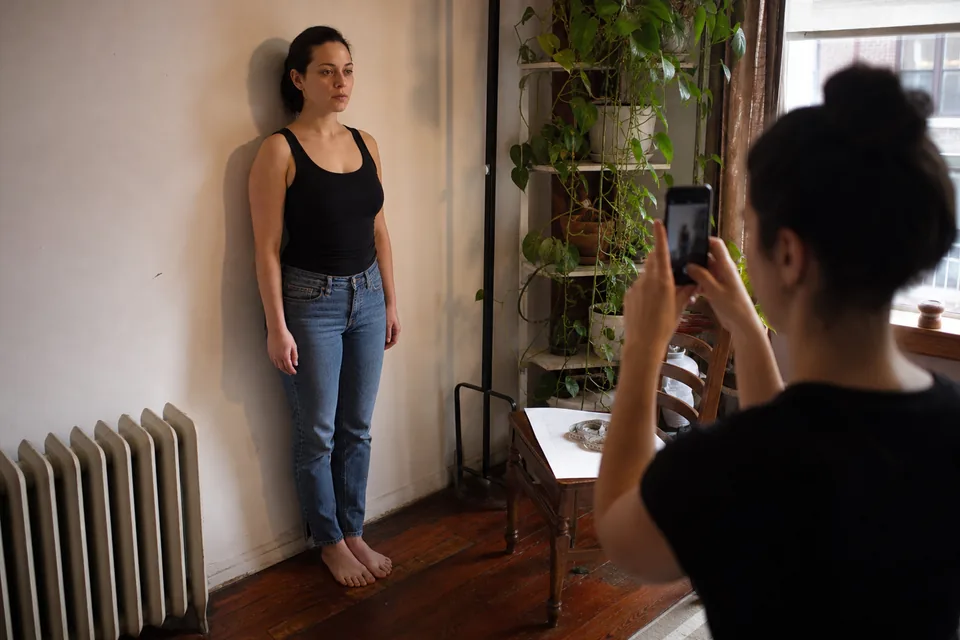
- Take a fresh set of digitals in daylight against a plain wall, full length and close up. Our guide on how to start modeling explains the shot list.
- Measure height and key measurements honestly with a soft tape.
- Pick the categories where you fit best and research which agencies book them in your city.
- Set up a simple, professional email address and use it for every application.
- Write two or three lines about yourself: city, availability, any relevant experience, any visible tattoos.
How open calls work
Many agencies hold open calls, set times when anyone can walk in to be seen. Check the agency's own website for the current schedule, because times change and some agencies move to appointment-only or online-only submissions.
- Wear fitted, simple clothes and minimal makeup, the same look as your digitals.
- Bring a printed set of digitals and your measurements on one page.
- Expect a short meeting. Some agencies take new photos and a few measurements.
- Expect to hear nothing back in many cases. That is normal, not a judgment of you as a person.
- Never bring money, and never pay for anything at an open call.
How online submissions work
Online submissions are now the most common first step. The form usually asks for digitals, measurements, age, location and contact details. Follow the instructions exactly: correct photo types, correct number of photos, no extra attachments. Submit once to each agency, then wait for the period they state before following up, if they invite follow-ups at all.
Applying through ModelContracts
On ModelContracts you can apply to a modeling agency with one profile: verified age and identity, digitals, measurements, categories and city. Brands, studios and agencies post castings, and they can invite you when you fit. Models never pay a fee, for the profile, applications, contracts or payouts.
Red flags that should stop you
Most bad offers share a few patterns. If you see one, slow down. If you see two, walk away.
- Any fee to sign, to be listed, to be represented or to attend a casting.
- A required photo shoot or portfolio package with a specific photographer the agency chooses and you pay.
- Classes or workshops presented as a condition for representation.
- Promises of a set income or a guaranteed number of bookings.
- Pressure to decide today, or to sign before you can take the contract home.
- Requests for bank logins, card numbers or copies of documents before there is any agreement in writing.
- Castings in private homes or hotel rooms, or requests for content that is not fashion or commercial.
- No verifiable business presence, or contact only through a personal messaging account.
What to check in a representation agreement
A representation agreement, sometimes called a management agreement, sets the terms between you and the agency. Read every line, take your time, and talk to your own attorney if anything is unclear. Look closely at these points.
- Commission: the percentage the agency takes from your bookings, and whether it also charges the client a separate fee.
- Term and renewal: how long the agreement lasts, and whether it renews automatically.
- Exclusivity: whether you can work with other agencies, in other cities or in other categories.
- Expenses: which costs the agency can charge back to you, such as prints, test shoots, travel or housing, and whether you must approve them first.
- Payment timing: when you get paid after the client pays, and how you receive statements.
- Termination: how either side can end the agreement and what happens to bookings in progress.
- Usage and approvals: who approves how your images are used, and for how long.
Know the rules where you work
Some states have specific rules for model management. New York, for example, passed the Model Workers Protection Act, which sets duties for model management companies operating there. Our article on the new york model workers protection act explains what it covers in plain language.
After you are signed
Signing is the start, not the finish. Keep your digitals current, answer your booker quickly, and track every job yourself. For each booking, keep the written terms: date, hours, fee, overtime, cancellation and usage. Understanding model usage rights helps you spot when a client wants to use your images beyond what was agreed. On ModelContracts, every booking comes with a signed modeling contract and release that both sides approve before the shoot.