Published October 19, 2026
How to start modeling with a realistic first-year plan
Most people who want to know how to start modeling get the same bad advice: buy a professional portfolio, sign up for a class, wait to be discovered. None of that is required. This guide lays out a practical first year for adults 18 and over, from simple digitals at home to your first signed booking, and shows where money should never change hands.
What modeling work actually looks like
Modeling is a business of bookings. A brand, studio or agency needs a person who fits a product, a look or an audience, and pays that person for a set number of hours with clear rules on how the images are used. Most paid work is not runway or magazine covers. It is product photos for online stores, catalog shoots, social ads, commercial campaigns and live events. If you understand that from day one, you will plan your first year around the work that actually exists.
Who this plan is for
This plan is written for adults aged 18 and over. Every legitimate agency and platform verifies age and identity before it represents or books anyone. If someone offers to skip that step, treat it as a warning sign, not a shortcut.
Start with digitals, not a paid portfolio
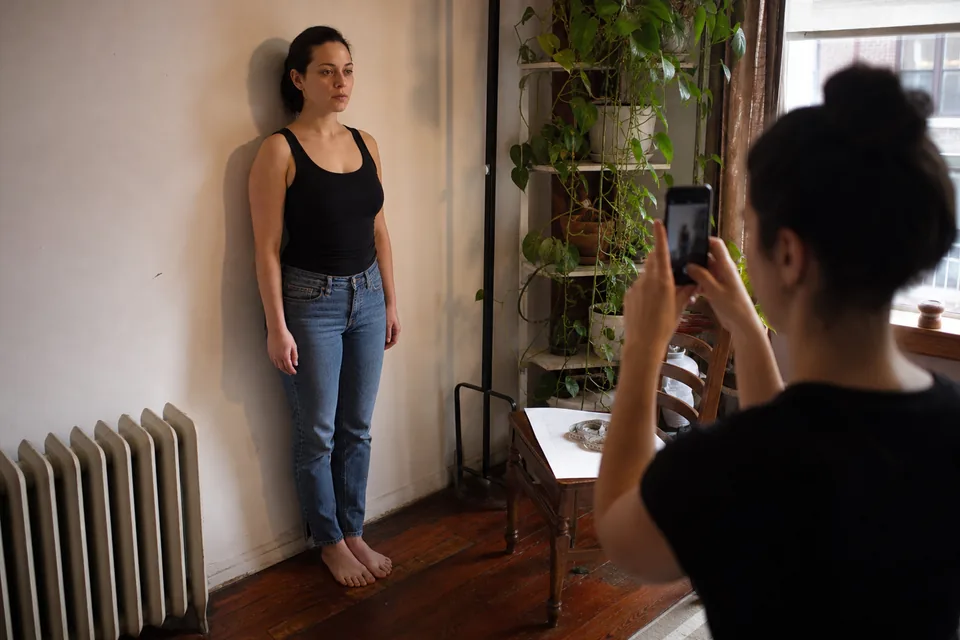
Digitals, sometimes called polaroids, are plain, unretouched photos that show what you look like today. Agencies and casting teams ask for them first because they want to see you, not a stylist's idea of you. You can take them with a phone and a friend.
- Natural daylight facing a window, or soft light outdoors in shade.
- A plain wall behind you, no busy background.
- Fitted, simple clothing in a solid color, such as jeans and a tank top or a fitted tee.
- Little or no makeup, hair off the face in at least one set.
- Full length front, side and back, plus a waist-up shot and a close headshot, smiling and neutral.
- No filters, no retouching, no heavy angles.
Update them regularly
Refresh your digitals whenever your hair, weight or look changes, and at least every few months. Outdated photos are one of the most common reasons a booking goes wrong on the day, because the client expected someone slightly different.
Take honest measurements
Every application asks for height and a few measurements. Measure with a soft tape, wearing light clothing, and write down the real numbers. Rounding up on height or down on waist does not help you. Clients plan wardrobe, garment sizes and fittings around those numbers, and a mismatch on set costs everyone time.
- Height, measured barefoot against a wall.
- Bust or chest, waist and hips.
- Dress or suit size, inseam, and shoe size.
- Hair color, eye color, and any visible tattoos.
Do not chase a number
Fashion runway divisions often have narrow height and size expectations. Commercial, e-commerce, fitness, plus size and petite work are far broader. You do not need to change your body to start. You need to find the category where clients already look for someone like you.
Choose the categories that fit you
Knowing the main types of work helps you aim your applications. You can apply to more than one, but lead with the one where you fit best.
- Commercial modeling: everyday people for ads, websites and campaigns. See how commercial modeling agency work is cast.
- E-commerce: product photos for online stores, often long days with many outfits. More on ecommerce models.
- Fashion: editorial, lookbook and runway, with the strictest size expectations. Read about fashion model agency work.
- Fitness: athletic builds for sportswear, supplements and gyms.
- Plus size, petite and male divisions: dedicated categories with steady client demand.
- Promotional and event work: trade shows, launches and brand activations.
Be realistic about income
Modeling income is irregular, especially in year one. Many working models combine it with another job for a long time. Nobody can honestly promise you a number of bookings or a level of pay, and anyone who does is selling something.
Avoid portfolio packages and upfront fees
The most common trap for new models is the portfolio package. Someone tells you that you have potential, then explains you need a professional shoot, a comp card print run, a website listing or a training course before an agency will consider you. The price is paid by you, up front.
- Legitimate agencies earn a commission from the bookings they get you. They do not charge to look at you.
- Agencies accept digitals for first applications. A paid shoot is not a requirement to apply.
- A test shoot arranged by an agency after signing is a different thing, and the terms should be in writing before you agree.
- Pressure to pay today, to bring a credit card to an open call, or to buy a package to keep your spot are red flags.
Read the full list of warning signs
Our guide to modeling agency scams covers the patterns in more detail, including fake castings and requests for personal documents before any contract exists.
Apply to agencies the right way
Once you have current digitals and honest measurements, apply. Most agencies accept online submissions, and many hold open calls at set times. Follow each agency's instructions exactly, send only what they ask for, and keep a simple list of where and when you applied.
Apply on ModelContracts at no cost
You can apply to a modeling agency like ModelContracts without paying anything. Models never pay a fee for the profile, the portfolio, applications, contracts or payouts. You confirm your age and identity, upload digitals and measurements, choose your categories and city, and brands can invite you to castings that fit. For a deeper look at what agencies review, read how to get signed to a modeling agency.
A simple first-year timeline
Breaking the year into stages keeps you moving without spending money you do not need to spend.
- Months 1 and 2: take digitals, record measurements, research agencies and categories, set up a professional email.
- Months 2 to 4: apply online and attend open calls, respond quickly and politely to every reply.
- Months 3 to 6: take test shoots only on clear written terms, add the best images to your portfolio.
- Months 6 to 12: work your first bookings, keep every contract, and track usage terms and payments.
Treat every booking like a contract
Each paid job should come with written terms: the date and hours, your fee, overtime, cancellation, and how the photos may be used. Usage matters because a photo used on one website for a year is a different job than a photo used in national ads indefinitely. Our guide to model usage rights explains media, term and territory in plain language.
Show up like a professional
Small habits build a reputation quickly in year one.
- Confirm call time and location the day before.
- Arrive on time with clean hair, neutral nails, and the basics the brief asked for.
- Read the contract before the shoot and ask questions before you sign, not after.
- Keep your own record of hours worked, so overtime is easy to confirm.
- Never agree on set to new usage, new content or extra hours that are not in writing.