Published October 19, 2026
Model release form template guide for brands, studios and photographers
A model release is the short document that turns a photo of a person into something a business can actually use. This model release form template guide walks through what a release should contain, how commercial and editorial use differ, why the signature has to come from an adult, and how to keep signed releases so you can find them years later. It is practical guidance, not legal advice, and every shoot is a little different.
What a model release actually does
A model release is written permission from the person in the image. It lets the photographer, the brand or both use that person's likeness in ways the release describes. Without one, the image may still be lawful to take, but using it to sell a product, promote a service or represent a brand becomes risky. Many states recognize a right of publicity, which protects a person's name and likeness from commercial use without consent. The release is how you show that consent existed and what it covered.
A release is not the same thing as a booking contract. The booking agreement covers the job itself: date, hours, rate, overtime and cancellation. The release covers the images that come out of the job. On a professional shoot you usually want both, and they should agree with each other. Our modeling contract page explains how the two fit together inside one booking.
What every release should include
Templates vary, but a release that holds up in practice tends to answer the same questions. If a reader picked it up five years from now with no other context, they should be able to tell who agreed to what.
- Full legal name of the model and the name they work under, if different.
- Name of the party receiving the rights, such as the brand, the studio or the photographer, and whether rights can be passed to clients or affiliates.
- Date and location of the shoot, plus a short description of the session so the images can be tied to the document.
- What the images may be used for, described in plain words: web, social, paid ads, print, out of home, broadcast, packaging.
- How long the permission lasts and in which territory.
- Whether the images may be retouched, cropped or combined with other material, and any limits on that.
- Whether the model is identified by name, or may not be.
- Consideration, meaning what the model receives in exchange. Often this is the booking fee itself.
- Signature, printed name and date of signature from the model, and a countersignature from the receiving party.
- A statement that the model is 18 or older.
A release that says "any use, forever, anywhere" is simple to write. It is also the kind of clause that experienced talent and their representatives push back on, and it can make a booking harder to close. Being specific usually gets a faster yes.
Commercial use and editorial use are different
Commercial use means the image helps sell or promote something. Product pages, ads, catalogs, brand social accounts, packaging and trade show graphics all fall here. This is where a signed release matters most, because the person in the image is effectively endorsing or representing the brand.
Editorial use means the image illustrates news, commentary or education, such as a magazine story or a blog post that discusses a trend. Editorial use generally gets more room under the law, but it is not a blanket pass. A photo used editorially can still create problems if the caption implies something false about the person. And an image that starts as editorial can drift into commercial use when a brand reposts it in an ad.
The safest habit is simple. If there is any chance an image will appear in marketing, get a commercial release before the shoot ends. Adding scope later means finding the model, renegotiating and paying again. Our guide to model usage rights covers how media, term and territory affect what you pay up front.
Matching the release to the usage rider
On a booked job, the usage rider in the booking agreement and the release should describe the same scope. If the rider says twelve months of web and social in the United States, the release should not quietly grant worldwide perpetual use of everything. When the two documents conflict, you create the exact dispute the paperwork was meant to prevent. Write the scope once and carry it into both.
Why the signature has to come from an adult
A release is a contract, and contracts signed by minors are generally treated differently under US law. That is one reason commercial shoots involving minors involve parents, guardians and in many places additional legal steps. ModelContracts works only with adults. Every model on the platform is 18 or older, with age and identity verified before they can accept a booking.
Even when you work only with adults, check the details. Confirm the name on the release matches the person in front of the camera. Confirm the date of birth makes them 18 or older on the day of the shoot. Keep a record of how you verified it. If a release is ever questioned, "we checked" is much weaker than "here is how we checked and when."
Signing before, not after
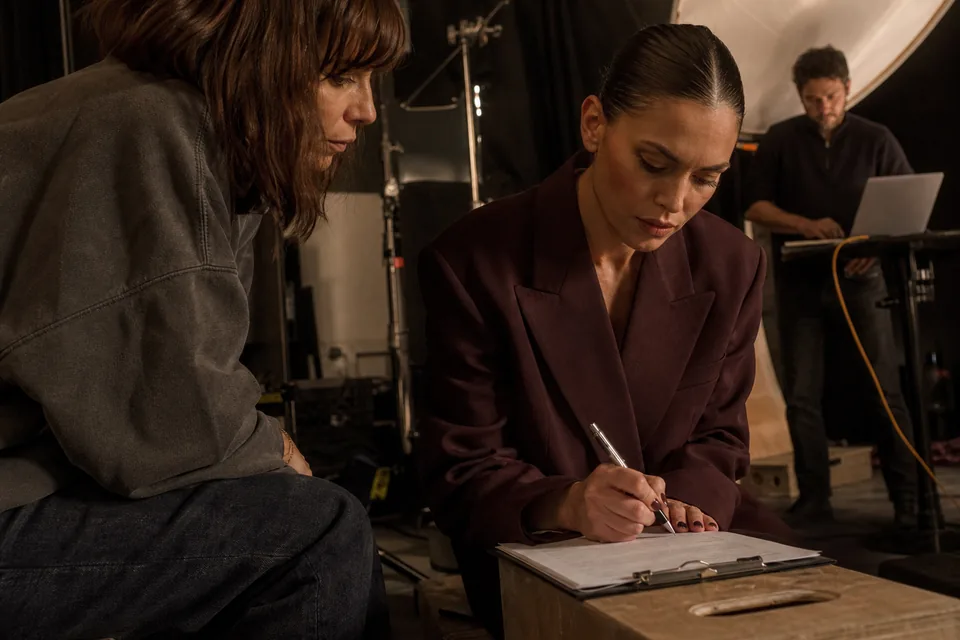
Sign the release before the first frame or at least before the shoot wraps. Chasing a signature after images are already in use puts the brand in a weak position and puts pressure on the model, which is not fair to either side. Digital signing makes this easy, because the model can review the document on their phone while hair and makeup is underway.
How to store releases so you can find them
A release only helps if you can produce it when someone asks. That might be a platform reviewing an ad, a retailer asking about rights to a product image, or the model asking what they agreed to. Good storage habits are boring and they work.
- Keep the signed release linked to the specific images it covers, not in a general folder of paperwork.
- Store the booking agreement and usage rider in the same place, so scope can be checked in one view.
- Record the expiration date of the usage term and set a reminder well before it ends.
- Keep the countersigned version, not only the copy the model signed.
- Limit who can open the files. Releases often include contact details and identity information.
- Keep releases at least as long as any image is in use, and usually longer, because questions can come up after a campaign ends.
When the term ends, the image does not disappear from your servers on its own. Someone has to take ads down, retire product photos and update archives. A release with a clear end date only protects you if somebody acts on that date.
Mistakes we see in release templates
Most release problems come from copying an old template without reading it. A few patterns show up again and again.
- The receiving party is the photographer, but the brand is the one running the ads, and the release does not allow transfer.
- The scope says "promotional use" without naming media, so nobody agrees later on what was covered.
- There is no date of signature, which makes it hard to prove the release came before use.
- Sensitive uses, such as anything that could imply a health condition or personal endorsement, are not mentioned at all.
- The release was signed by someone other than the model, such as a booker, without written authority.
If you are not sure a template fits your situation, talk to your own attorney. A short review before a large campaign costs far less than a dispute after it.
How releases work on ModelContracts
Every booking on ModelContracts includes a Model Booking Agreement with a usage rider and model release built in. The brand sets the media, term and territory once, along with hours, overtime and cancellation terms. Those choices fill both the rider and the release, so the scope matches across the documents. Both sides review and approve in their dashboard before the job is confirmed, and the signed documents stay attached to the booking.
Models never pay fees to apply, keep a profile or sign contracts. Brands pay a subscription and a booking fee based on their plan, which you can compare on the pricing page. If you are planning your first shoot, the step by step guide to hiring a model shows where the release fits in the process, and the model release form page explains the clauses in more detail.