Published October 19, 2026
Promotional models for a trade show, a checklist for event marketers
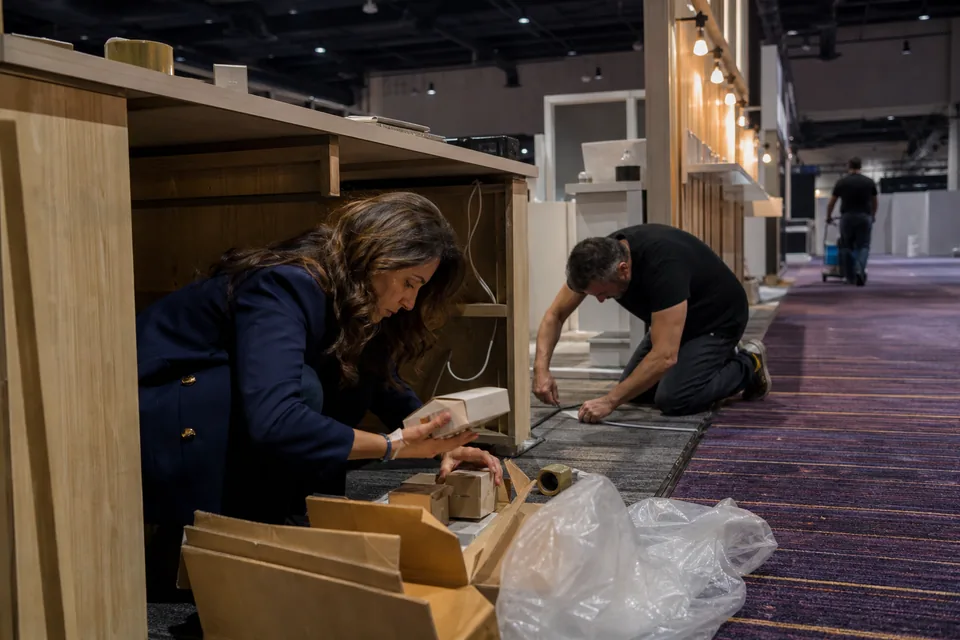
Booking promotional models for a trade show looks simple until the week of the event. Then the questions arrive at once: who is working which shift, what they wear, who trains them, where they park, and whether the photos from the booth can go on social. This checklist walks through each part in the order most event teams need it, from the first brief to the contract terms that protect both the brand and the talent.
Write the brief before you post the casting
Everything downstream depends on a clear brief. A good brief tells talent what the job is, so the right people apply and nobody is surprised on the floor.
- Event name, venue, city and dates, including setup day if talent is needed for it.
- The goal of the booth: lead capture, product demos, sampling, badge scanning, traffic to a stage or meetings.
- The role each person plays. Greeting and directing traffic is different from running a product demo or qualifying leads.
- Skills that matter: languages, comfort with technical products, experience with lead retrieval apps, presenting to small groups.
- Any physical requirements of the role, such as standing for long periods, stated plainly and without unnecessary criteria.
- Who on your team manages talent on site and how to reach them.
If the brief only says "attractive, outgoing, trade show experience," you will get applicants who match that and very little else. Describe the work. Our promotional models page shows how a casting for event staff is set up on ModelContracts.
Decide headcount, hours and breaks
Headcount follows booth size, expected traffic and the roles you need covered at the same time. Think about peak hours rather than averages. A booth that is quiet at nine and packed at two needs a schedule that reflects that.
- Map the roles for each hour of the show, then count people.
- Plan shifts so no one stands for an entire day without real rest. Long shows wear people down and it shows in conversations with visitors.
- Schedule breaks in writing, including meal breaks, and cover each position during them.
- Add a buffer for late arrivals, illness and the moment a demo draws a crowd.
- Check any rules your state or city has on meal and rest periods and follow them.
Write the exact call times, shift lengths and break times into the booking so everyone works from the same plan.
Settle wardrobe early
Wardrobe questions are easy to resolve weeks out and stressful to resolve the night before.
- Decide whether you supply branded apparel or ask talent to bring their own clothes to a clear standard.
- If you supply apparel, collect sizes during booking and order extra.
- State footwear expectations honestly. Comfortable, professional shoes keep people on their feet all day.
- Say where talent can change and store personal items.
- Keep the look professional and appropriate to the product and audience. Promotional work on ModelContracts is commercial, not suggestive.
Train talent on the product
Visitors ask real questions. A promotional model who can answer the first two and hand off the third to a specialist is far more valuable than one who can only smile and point.
- Send a short product sheet before the show with the key messages and the three questions visitors ask most.
- Hold a training session, in person on setup day or by video beforehand, and pay for the time.
- Explain lead qualification: what counts as a good lead and how to capture it.
- Define the hand off: when to bring in a sales rep or engineer, and how.
- Make clear what talent should not say, such as pricing commitments, technical claims or comments about competitors.
Training time is working time. Put it in the booking with its own hours.
Handle logistics in writing
Small logistical gaps cost the most time on site. Cover them in the confirmation message talent receives with the booking.
- Exhibitor badges or credentials, who orders them and where to pick them up.
- Venue entrance for exhibitors, which is often different from the visitor entrance.
- Parking, transit options and whether you cover any costs.
- Travel and accommodation if talent comes from another city, with who books and pays.
- Meals and water during the day.
- An on-site contact who answers the phone.
If you book in a market where you do not have a team, our modeling agency chicago and modeling agency los angeles pages explain how local bookings work in two busy convention cities.
Put the terms in the contract
Trade shows run late, get rescheduled and sometimes get cancelled. The contract is where you decide in advance what happens in each case, so nobody negotiates on the show floor.
- Rate per hour or per day, set by you, and how it applies to setup and training time.
- Overtime: when it starts and how it is paid.
- Cancellation: how much notice is required and what is owed if the brand cancels late.
- What happens if the show is postponed or hours change.
- Payment timing after the event.
- Conduct expectations on both sides and a clear process for raising problems.
A modeling contract on ModelContracts includes hours, overtime and cancellation as standard sections, so you fill them in rather than write them from scratch.
Cover photo and video from the booth
Booths are photographed constantly, by your team, your agency and visitors. If you plan to use photos or video of the promotional models in recaps, social posts, case studies or next year's sales deck, that is usage, and it needs to be agreed.
- Decide which media you will use booth content in: social, website, email, paid ads, print.
- Decide how long and where.
- Include a model release that covers that scope.
- If you want no booth content used at all, say so, which also helps talent understand the job.
Our guide to model usage rights explains how media, term and territory work, and the model release form template guide covers what the release itself should include.
On the day
On show day, run a short briefing before doors open. Confirm positions, breaks and the lead process. Check in at midday. At the end, collect apparel and any equipment, thank people, and confirm hours worked against the schedule so payment matches the booking.
After the show, approve hours promptly. Talent remembers which brands pay on time, and good promotional staff are worth booking again.
How this works on ModelContracts
On ModelContracts you post a casting with the brief, dates, shifts and roles. Adult models, 18 or older with verified age and identity, apply at no cost. You choose who to book and set the rate. Each booking generates a Model Booking Agreement with hours, overtime, cancellation and a usage rider with model release, approved by both sides in the dashboard. Brands pay a subscription and an agency fee per booking, listed on the pricing page. Models never pay.